
Clipping path and image editing hand-cut to a spec you write.
From $0.39 an image, edited by people, checked against your written specification before it is delivered.
- Hand-edited, never automated
- Three QC passes per file
- Free revisions to spec
- Images never used to train models
Operational figures, current as of 10 August 2026. Two earlier claims — 1,000+ clients served and millions of images delivered — are held back until an export from the invoicing and production systems can stand behind them, and can be restored to this band once it can. The last figure is a client-measured result and needs the client’s own number and a sentence naming what was measured.
One file, before and after. Pick a category.
Every pair below is the same product in the same frame. Drag the handle, or use the arrow keys. Nothing here is a stock photograph.
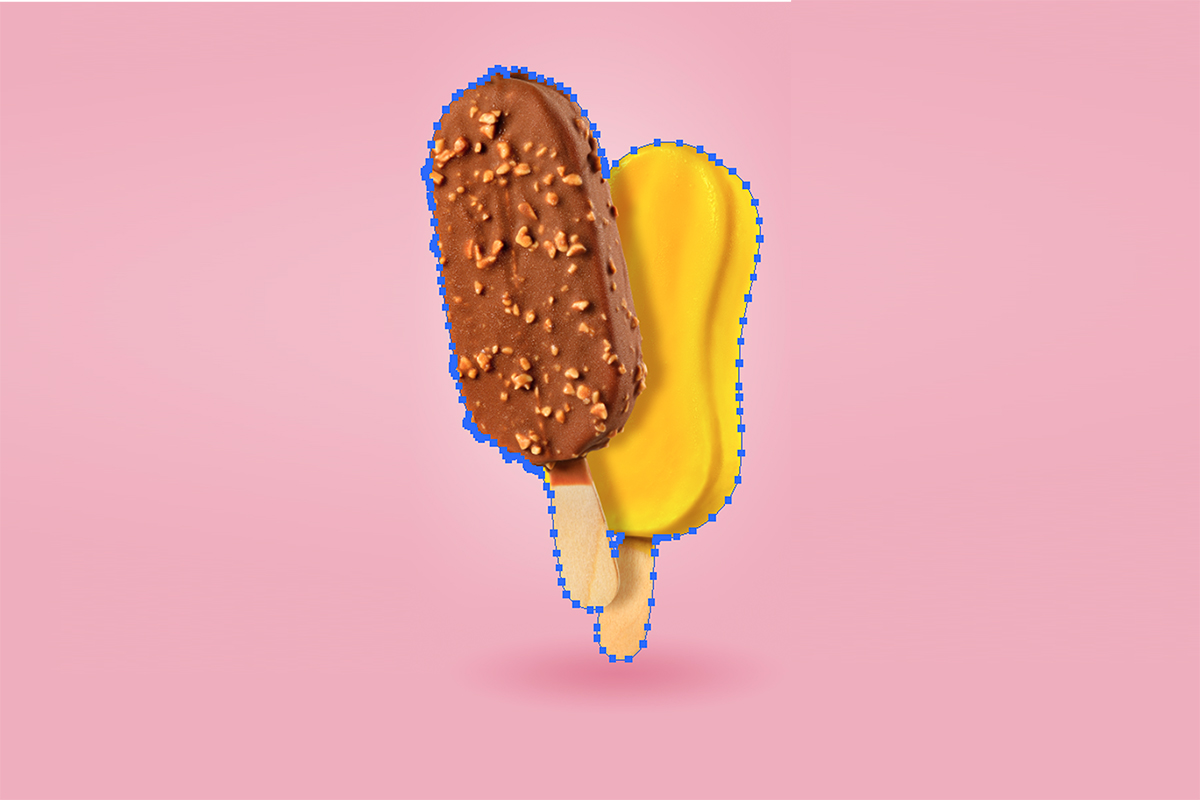
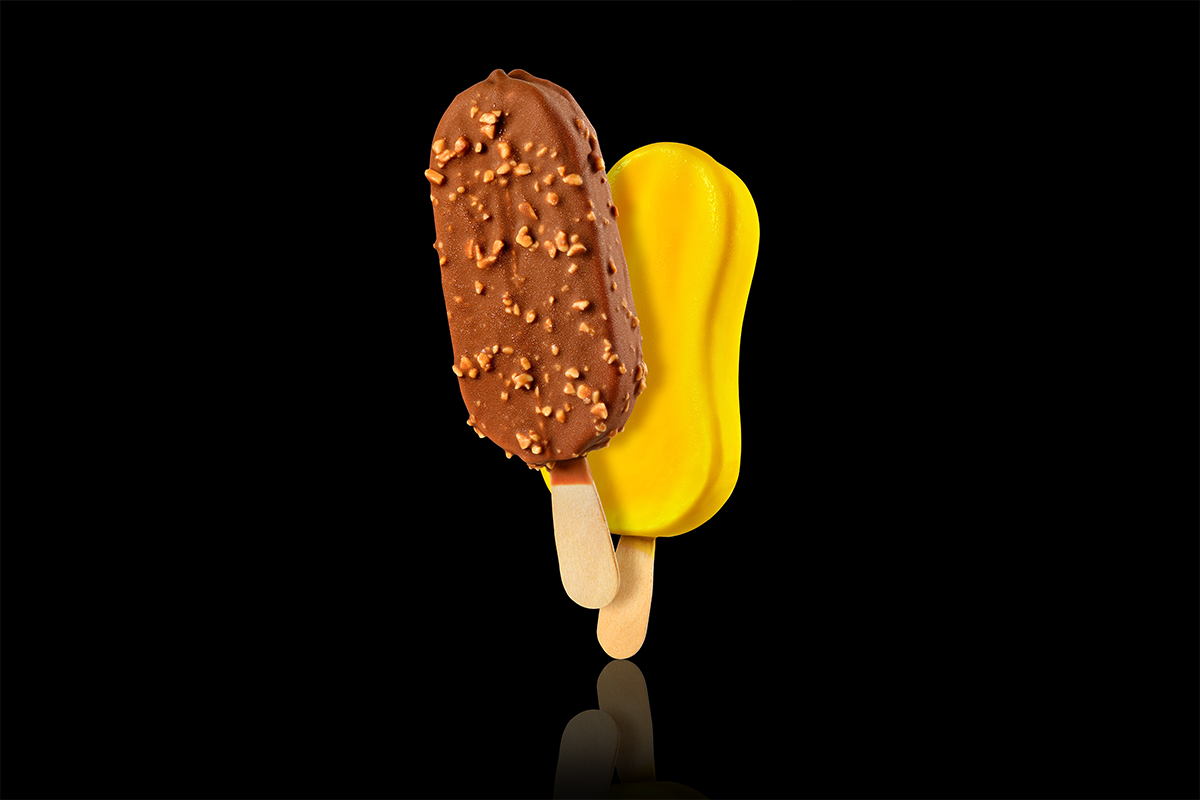
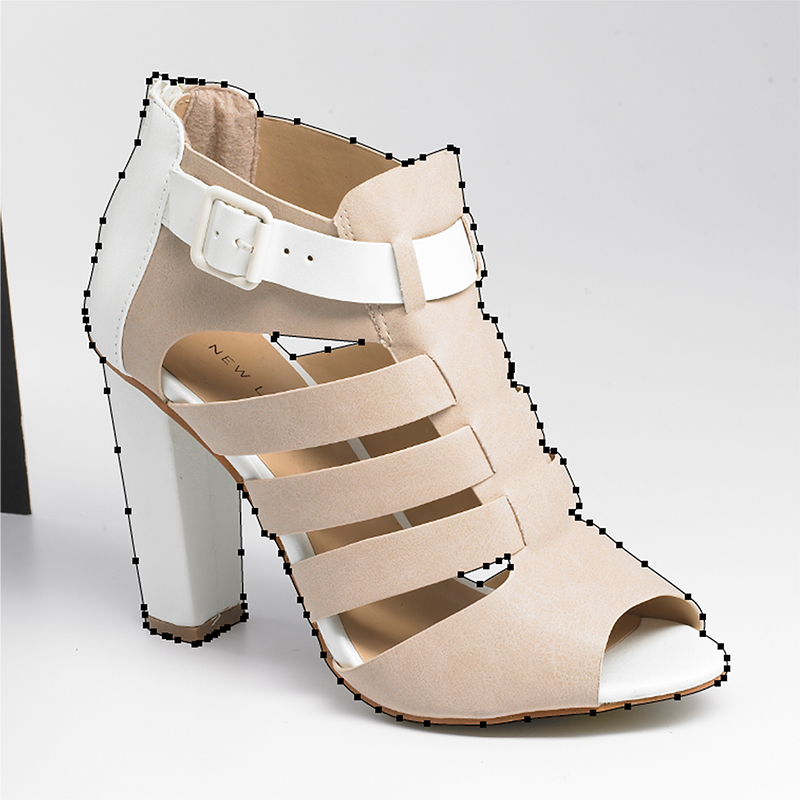
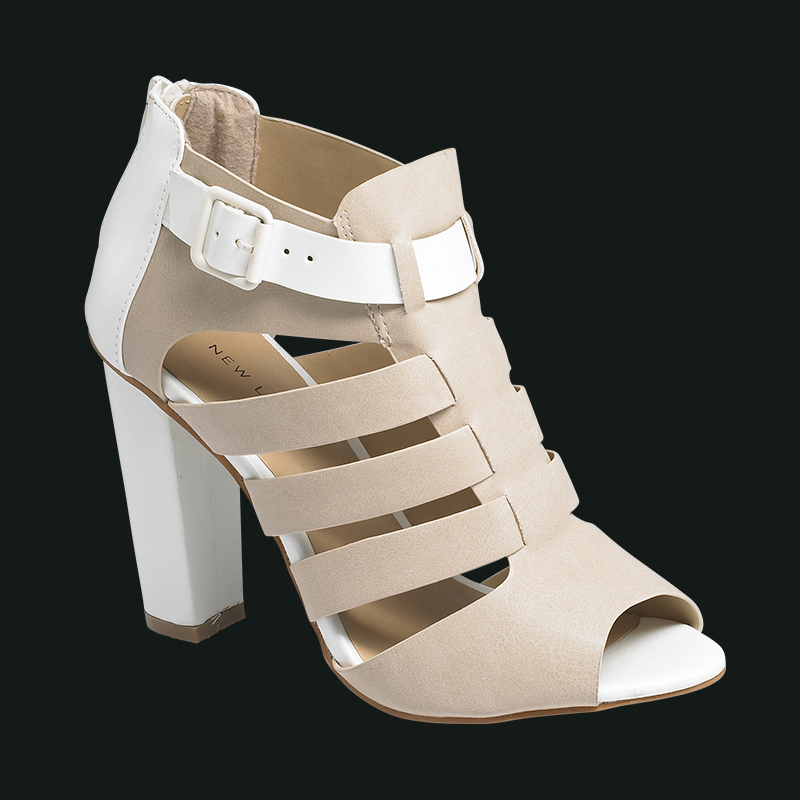
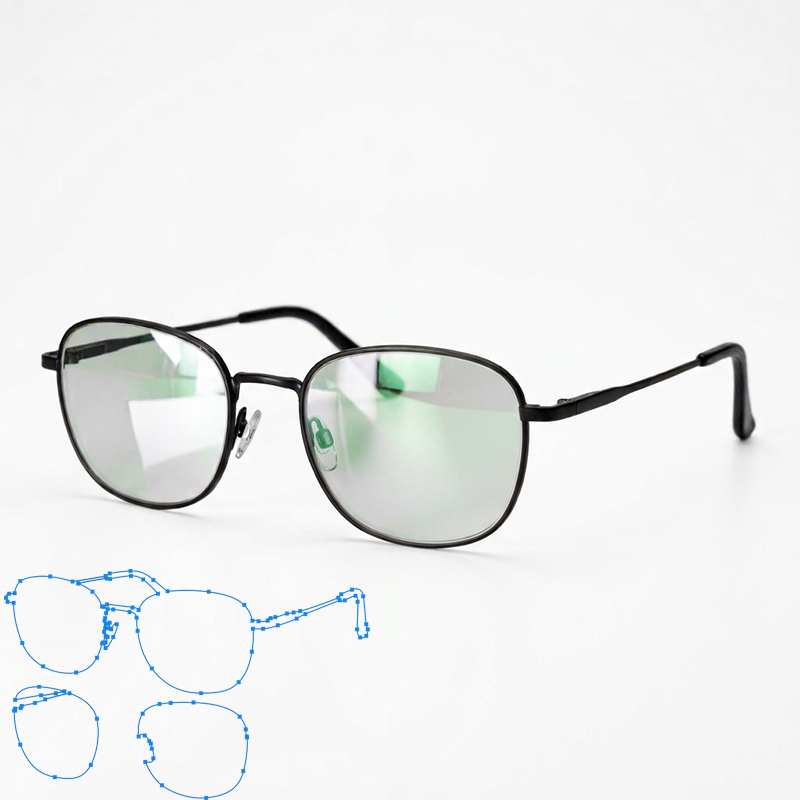
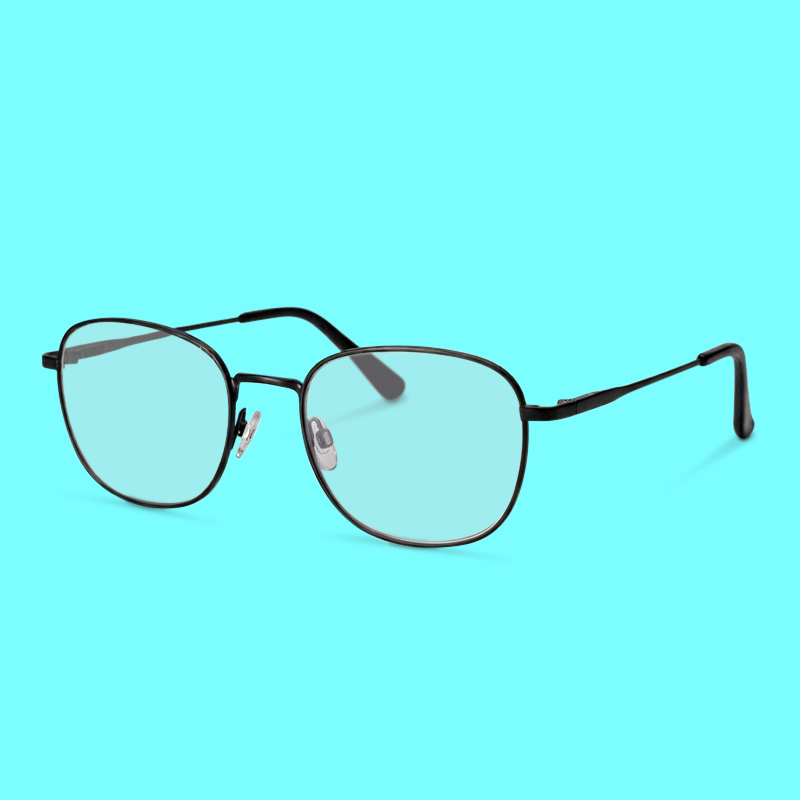
Clipping path, color correction and contact shadow. The edge is traced by hand at 400% zoom, one anchor point at a time, so it holds at listing size and at print size. The shadow is built to the direction and softness of the original studio light, which is what stops the product hovering above the background.
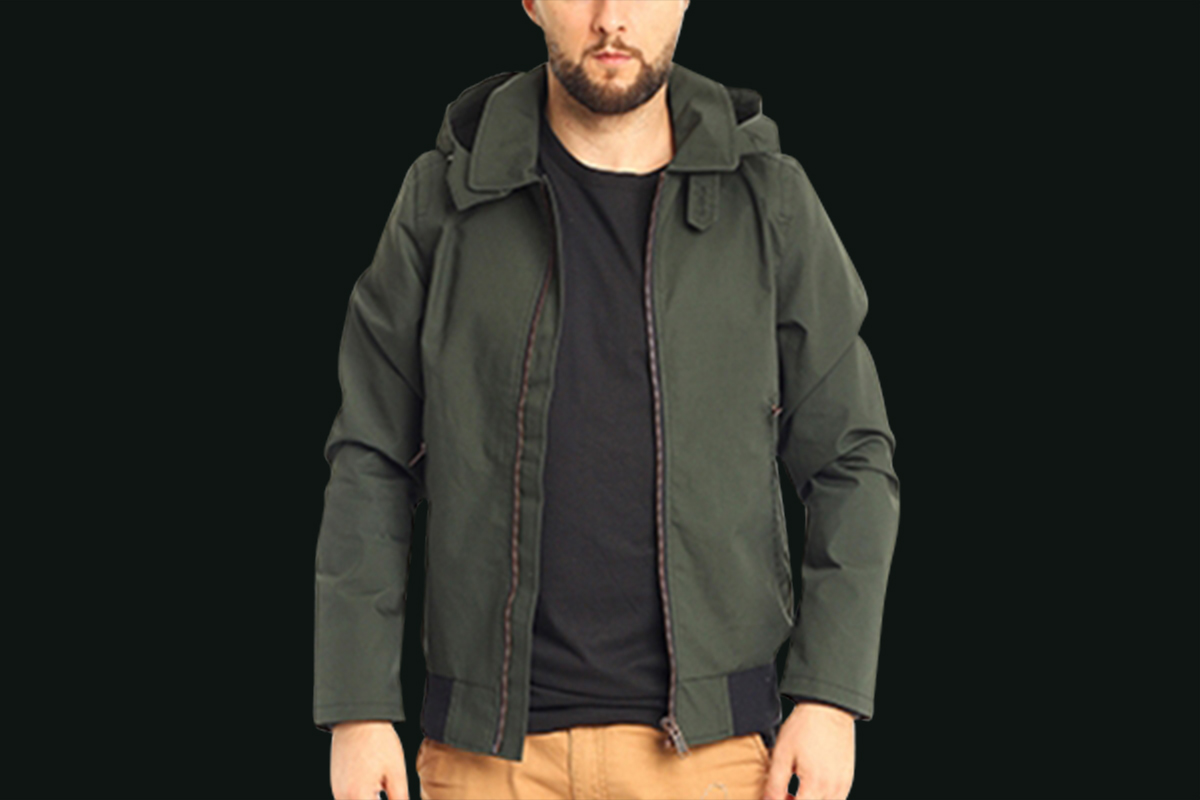
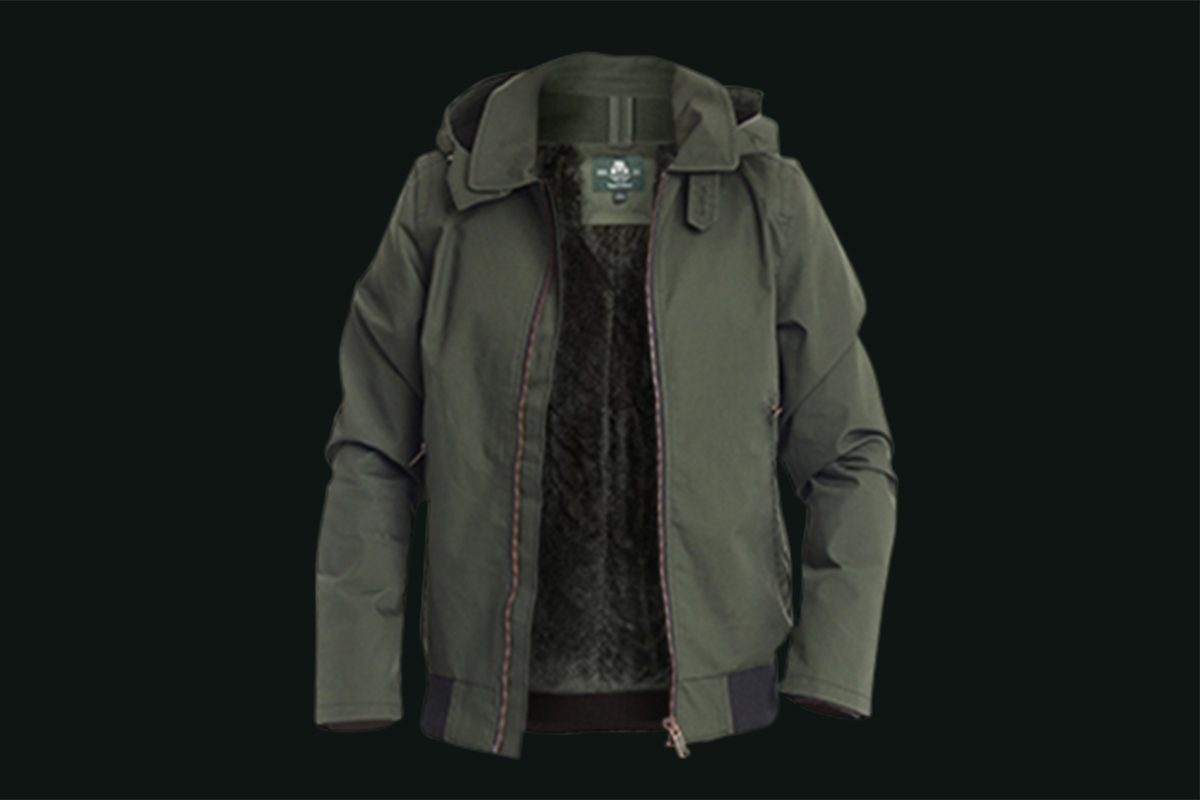
Ghost mannequin. The exterior and interior shots are merged so the garment reads as worn with nobody in it. The neck joint is where this work succeeds or fails, and it is the first thing our reviewer checks against your specification.
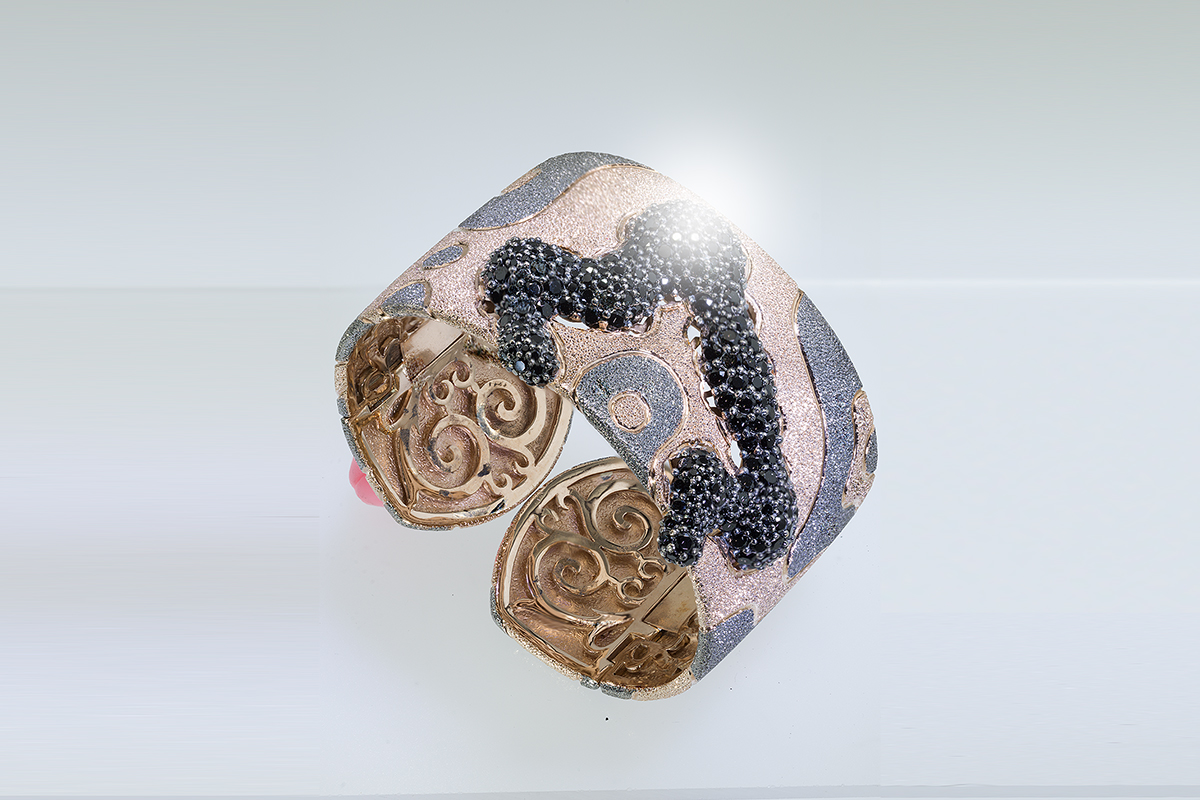
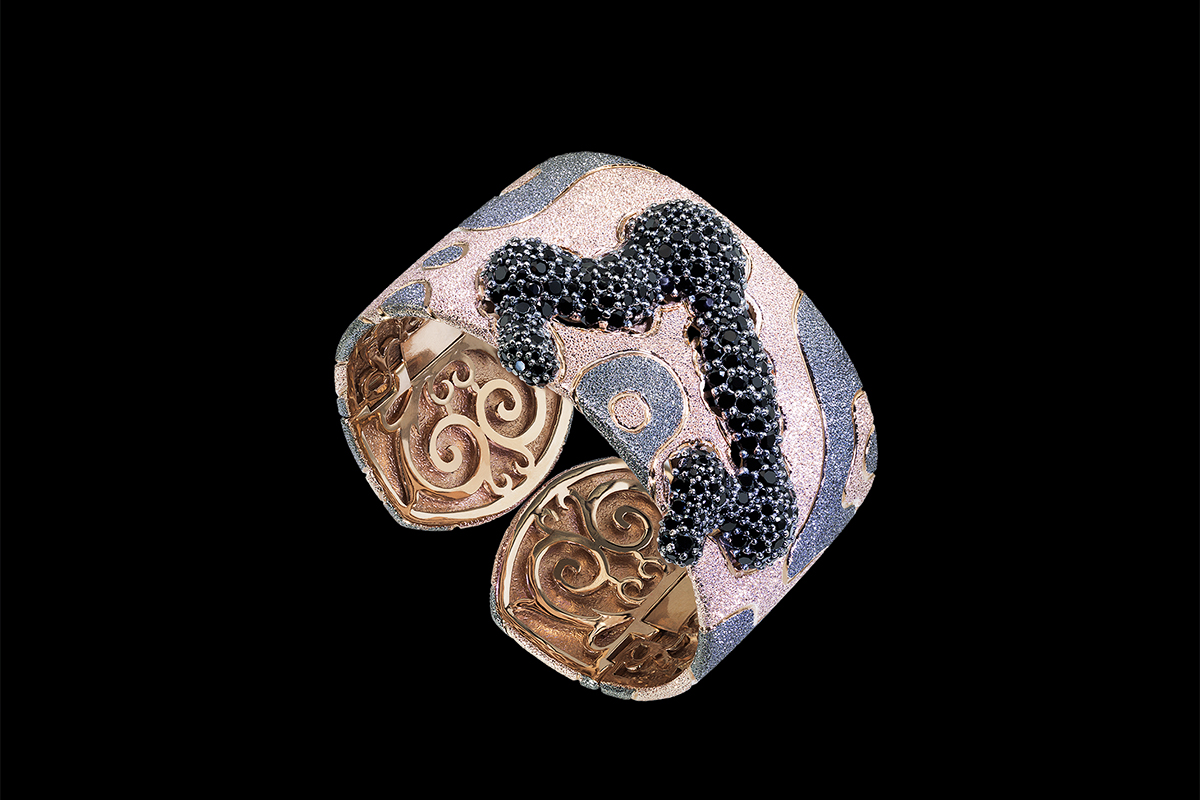
Complex masking and reflection control. A bracelet has a gap between every link and a stone has a facet pattern that has to survive. Both are places an automated cut-out closes up. Metal tone is corrected against a reference rather than adjusted by eye.
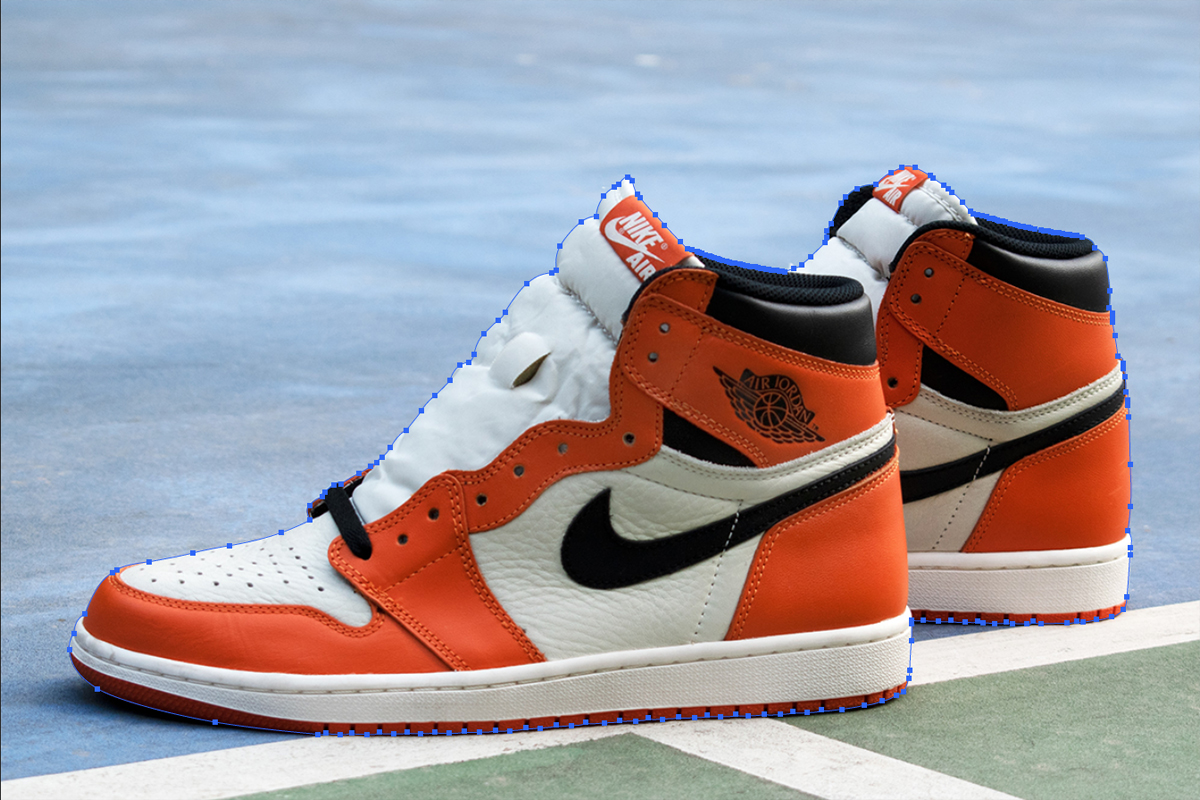
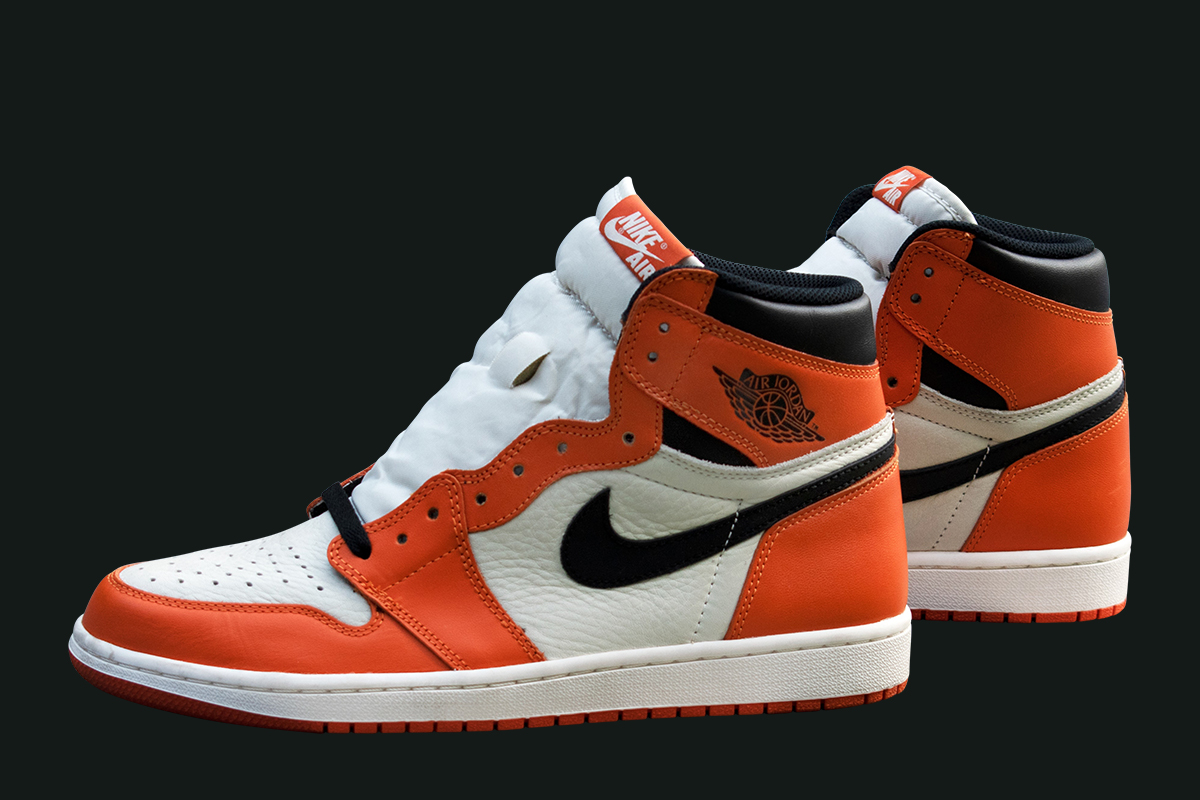
Clipping path with masked detail. The arch under the sole and the mesh on the upper are the two places automated selection fails on footwear, and both failures are invisible at thumbnail size and obvious the moment a buyer zooms.


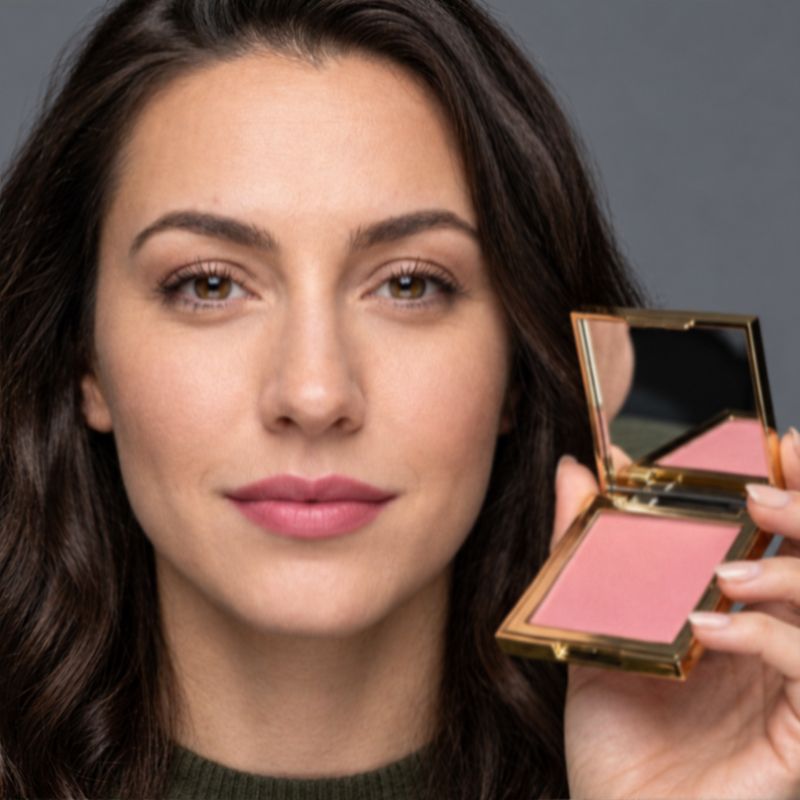
Channel masking. A mask records 256 levels of transparency per pixel, which is why a single hair strand survives where a hard path cuts straight through it. Skin retouching keeps pore texture, because removing it is what makes a person look synthetic.
Send the file you think will break us.
Two images, edited to your specification and returned inside 24 hours, free and under NDA. A portfolio shows a supplier’s best work on files the supplier chose. Your difficult file shows what you will actually receive.
- No card
- No minimum order
- No account needed
- NDA on every file
Try two images free
Drop the hardest files you have. Back inside 24 hours, edited to your brief.
Eight operations, priced by what has to happen to the image
Each one is a separate operation with its own specification and its own rate. The category tabs above show them on real files.


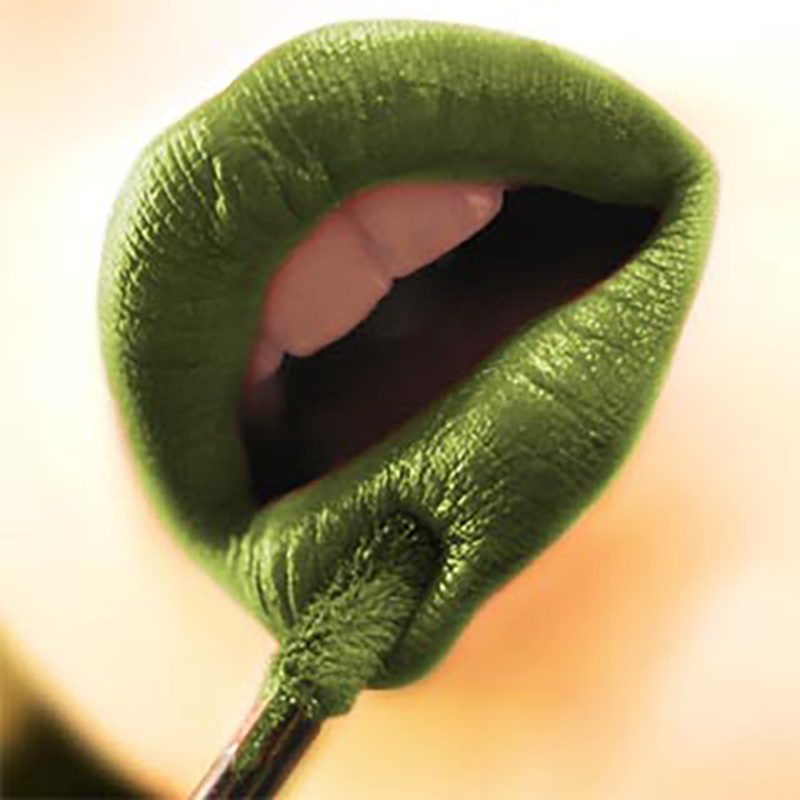
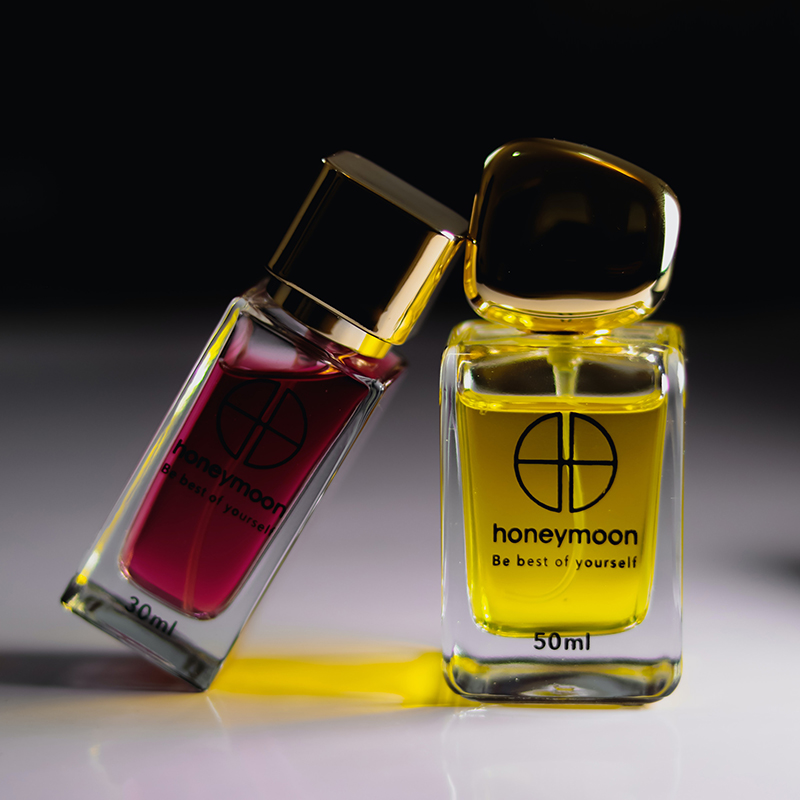
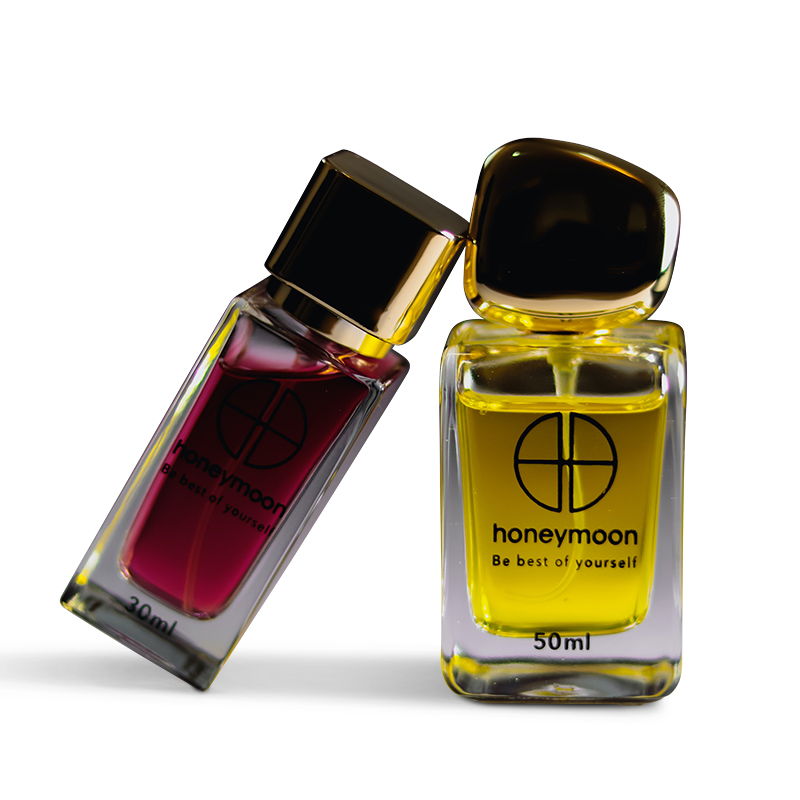
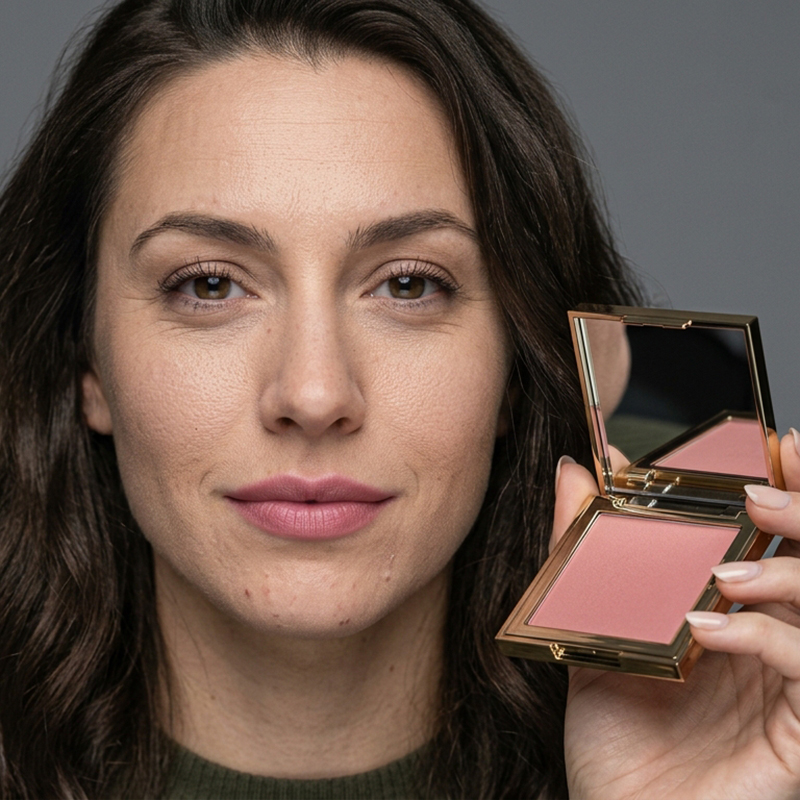
Eight things agreed before the first image
Background value, framing margin, color reference and file naming are agreed in writing before the first image. Then editors work to that document by hand, and a separate reviewer checks every file against it. It is why the thousandth image in a batch matches the first. Consistency across a catalogue is not a property of the editing; it is a property of the document the editing is measured against.
| What gets agreed | In practice | What it prevents |
|---|---|---|
| Background | The exact value — pure white RGB 255,255,255, transparent, or a stated hex | Marketplace review rejects an off-white main image |
| Framing and margin | What proportion of the frame the product fills, and the margin around it | Products at different scales look wrong side by side on a grid |
| Color reference | A physical swatch, a Pantone value, or an approved master image | Color mismatch is the failure that becomes a return |
| Output formats | Which formats, at which pixel dimensions, in which color space | Transparency needs PNG or TIFF; JPEG cannot carry it at all |
| Layer structure | Flattened, or layered PSD with a stated naming and grouping convention | A layered file your team cannot navigate is a flat file with extra steps |
| File naming | The pattern, matched to your SKU or asset management system | Bulk ingestion fails on names far more often than on image quality |
| Daily throughput | Images per working day, and the ramp to reach it | A launch date is planned against throughput, not a turnaround promise |
| Revision policy | What counts as off-specification, and who decides | This is where every supplier dispute actually happens |
The specification is issued to you in writing at quote stage, and it is the document quality control measures every delivered file against. Revisions are free where a file does not match it — which turns a revision request into a factual comparison rather than an argument about taste.
What is Clipping Path Center?
Clipping Path Center is an image editing company founded in 2008. It produces clipping paths, deep etching, background removal, image masking, color correction, retouching, shadow construction, ghost mannequin work and composites for e-commerce brands, photography studios, agencies and marketplaces.
Production runs from a single floor in Dhaka, Bangladesh. Every image is edited by a person, and every file passes three checks before delivery: the editor’s own review, a separate quality-control reviewer working against your written specification, and a final pass across the whole batch side by side.
The company does not run a freelancer marketplace, does not rotate editors between accounts, and does not use client imagery to train machine learning models. What it sells is a standard held across volume, which is a different product from a single well-edited image.
Eight questions worth asking any editing supplier
Per-image rates are close across this market and they are the least useful thing to compare. These are the terms that actually differ, with our answers stated so you can hold anyone else to the same list.
| What you are actually buying | Clipping Path Center | What to check elsewhere |
|---|---|---|
| Minimum order | None. One image is a normal order. | Several providers apply a minimum order fee on small jobs. Ask for the figure. |
| Written specification | Agreed before production, issued to you | Ask what the supplier measures your files against, and whether you get it in writing. |
| Who edits your files | A named in-house team kept on your account | Ask whether editors rotate between clients, and whether any step is automated. |
| Quality control | Three passes, the last across the whole batch | Batch-level review is what catches drift. Per-file review does not. |
| Revisions | Free until the file matches the specification | Ask what counts as off-specification, and who decides. |
| Contract term | None. Volume agreed, not locked. | Ask how fast capacity moves down as well as up. |
| AI training use | Your images are never used to train models | Increasingly worth asking, and increasingly not answered. |
| Free trial | Two images, returned inside 24 hours | Send the hardest file you have, not the easiest. |
This table is deliberately answerable. Every row is a fact a supplier can confirm in writing before you send a file, and a supplier who will not confirm one of them has told you something useful.
Built to each platform’s own rules
Every marketplace publishes its own image requirements, and a listing is rejected on the specification rather than on the quality of the edit. These are the ones we produce against most often.
These are platform requirements we produce against, not client endorsements. Figures are stated from each platform’s published seller documentation. Amazon’s frame-fill proportion and minimum pixel dimension should be confirmed by hand against current Seller Central documentation before publish, because that source blocks automated retrieval.
One production floor, in Dhaka
Most of this industry is produced in Bangladesh and most of the industry is vague about it. Ours is one floor, one team, and the same people on your account every week — which is the reason a specification holds across a year of batches rather than across one order.
In-house, not a marketplace
Editors are employed, not contracted per job, and stay on your account so what they learn about your requirements is not reset every order.
Three checks per file
Editor self-check, a dedicated reviewer working against your written specification, then a final pass over the batch side by side — which is the only way drift becomes visible.
400% zoom
The magnification an editor traces at with the pen tool. Path accuracy is judged there, not at fit-to-screen, which is where automated cut-outs look fine.
NDA on every file
Encrypted FTP and SFTP transfer, access limited to your assigned team, permanent deletion on request at any point.
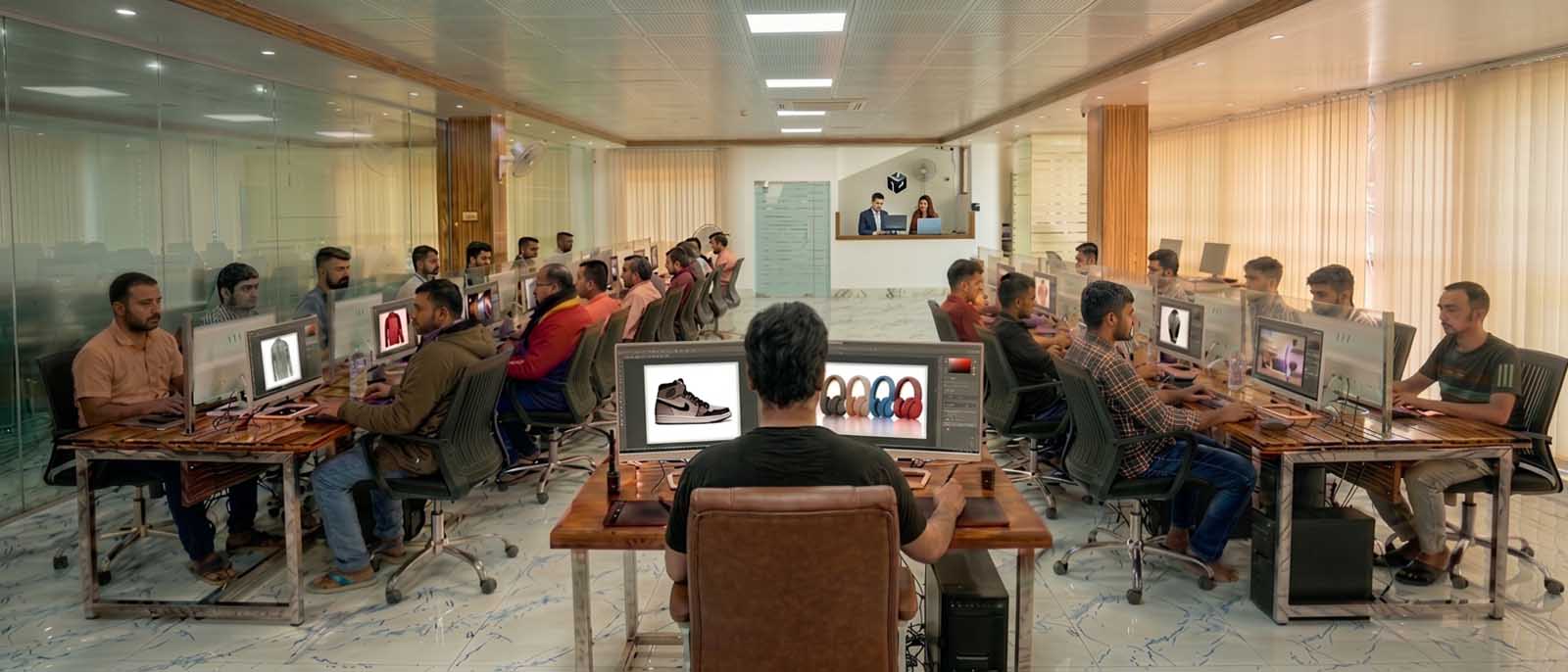
Client-facing offices and support run from the United States, the United Kingdom and Australia. All editing is produced in the Dhaka facility.
What each industry actually specifies
The operations are the same; the specification is not. These pages carry the requirements that differ by sector.
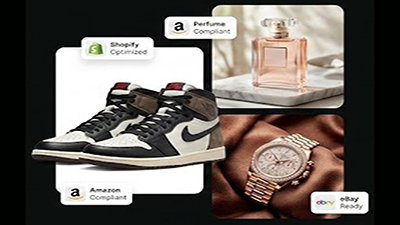
E-commerce Stores
Listing images that clear marketplace review first time.
Explore →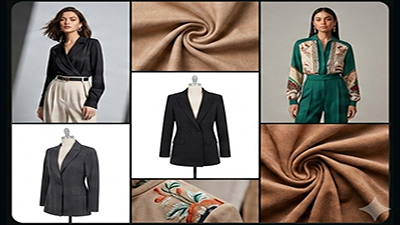
Fashion Businesses
Ghost mannequin, colorways and one look across a drop.
Explore →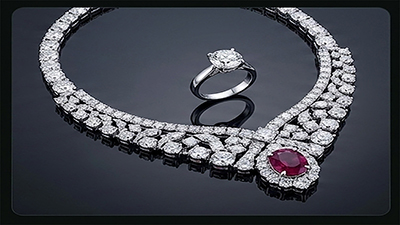
Jewellery Businesses
Macro reflection control and metal tone accuracy.
Explore →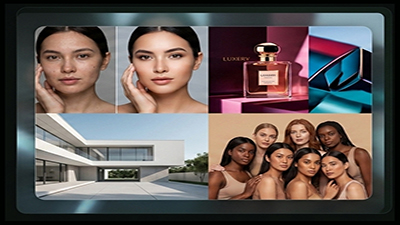
Photography Studios
Shoot backlogs cleared overnight, with no permanent hire.
Explore →
Marketplaces & Platforms
Mixed supplier imagery normalised to one standard.
Explore →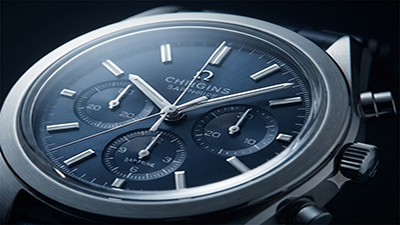
Product Manufacturers
Large ranges refreshed to a single specification.
Explore →Four steps, and what each one is for
Send two images
The hardest files you have, not the easiest. Back inside 24 hours, free, under NDA, with no card and no minimum order.
Write the specification
The eight things above, agreed in writing. This is the document everything after it is measured against.
Production and three checks
A named team edits by hand. Editor self-check, then QA against your specification, then a final pass across the batch.
Delivery and revisions
Files return in the agreed formats within 24 hours. Anything off-specification is corrected free of charge.
Priced by operation, not by industry
The tier follows what has to happen to the image. Monthly volume then moves the whole account into a discounted rate, and there is no minimum order at any tier.
Basic
Clipping path, deep etching, background removal, image masking and straightforward color correction. The highest-volume work on the floor.
Intermediate
Shadow and reflection construction, standard retouching, neck-joint work on flat-laid apparel.
Advanced
Complex masking, high-end retouching, ghost mannequin, image manipulation and multi-element composites.
Prices are in US dollars per image and current as of 10 August 2026. Volume above [minimum monthly volume] images per month moves into a discounted tier. Photo restoration is priced per photograph from $1.19, raster to vector from $9 per file, and logo design from $29 per project.
What clients say about the standard
“CPC has been a game-changer for our business. The quality is consistently perfect, turnaround is fast, and their team is incredibly reliable. Highly recommended!”
Correction needed elsewhere, not here: James Carter is currently also listed as a Clipping Path Center executive on /about-us. He is a client at Modarlhouse, so that About-page entry is the error and should be removed. Add the source and date to the line above so a reader can verify the quote.
Who checked this page

Salim Ahmed
Salim Ahmed runs the production floor and everything at Clipping Path Center in Dhaka, where he has worked in image post-production since 2008. He owns the specification standard described on this page and the three-stage quality-control process every delivered file passes through.
Questions buyers ask before ordering
What does Clipping Path Center do?
Clipping Path Center is an image editing company founded in 2008. It produces clipping paths, deep etching, background removal, image masking, color correction, retouching, shadow construction, ghost mannequin and composite work for e-commerce brands, photographers, agencies and marketplaces. Every file is edited by a person and checked by a separate reviewer against a specification agreed with you in writing.
How much does clipping path and image editing cost?
From $0.39 per image for clipping paths, deep etching, background removal and image masking. From $0.49 for shadow construction and standard retouching. From $1.19 for complex masking, high-end retouching, ghost mannequin and composite work. Monthly volume moves the whole account into a discounted tier, and there is no minimum order.
What does “edited to a specification” mean in practice?
Before the first image is touched, eight things are agreed in writing: background value, framing margin, color reference, output formats and dimensions, layer structure, file naming, daily throughput and the revision policy. That document is what quality control measures every delivered file against. It is why the thousandth image in a batch matches the first, and it turns a revision request into a factual comparison rather than an argument about taste.
How fast is delivery?
Standard turnaround is 24 hours and complex work runs to 48. Express handling is available on request. For an ongoing account the figure that matters is the agreed daily throughput rather than the turnaround on a single file, because that is what a launch date is planned against.
Is there a minimum order?
No. A single image is a normal order here, and there is no minimum order fee. Pricing scales with volume rather than gating access to the service.
Do you use AI to edit images?
No. Every file is edited by a trained human editor and checked by a human reviewer. Automated tools fail predictably on hair, mesh, glass, the arch of a shoe and the gaps in a watch bracelet, and those failures are invisible at thumbnail size and obvious the moment a buyer zooms. Your images are also never used to train machine learning models.
Is there a free trial?
Yes. Send two images and they come back edited within 24 hours, free, under NDA, before you commit to anything. Send the hardest files you have rather than the easiest: a portfolio shows a supplier’s best work on files they chose, and your difficult file shows what you will actually receive.
Who edits my images, and where?
A named team of in-house editors on one production floor in Dhaka, Bangladesh, kept on your account so what they learn about your requirements is not lost between orders. Client-facing offices and support run from the United States, the United Kingdom and Australia.
Can you handle catalogue and high-volume work?
Yes. Production runs to an agreed daily throughput that ramps as the specification settles. Files move by web upload, a dedicated FTP folder or SFTP, structured and named to your convention so no manual handling is needed at your end.
What happens if a file comes back wrong?
It is corrected free of charge. Revisions are free until the file matches the written specification agreed at quote stage, which is exactly why that specification is fixed in writing before production rather than argued about afterwards.
Is our product photography confidential?
Yes. Every file is covered by an NDA from the moment it arrives, transferred over encrypted FTP or SFTP, and used only to complete your order. Pre-launch product and campaign imagery is routine work here, and nothing is used as a sample without written permission.
Can I keep the layered file?
Yes. Layered PSD delivery is available on any service, with layers named and grouped to your studio’s convention and flattened exports supplied alongside. It is what makes a color variant or a market version an in-house edit rather than a new order.
More answers on the full FAQ page, or see how the workflow runs.
Send two images. The hard ones.
Back inside 24 hours, edited to your specification, free and under NDA.
No card required · No minimum order · Free revisions to specification